characterristic of dna pair
Characteristic feature of RNA are as follow. The four bases that make up this code are adenine A thymine T guanine G and cytosine C.

Difference Between Epsp And Ipsp Comparison Summary Basic Anatomy And Physiology Human Anatomy And Physiology Biology Lessons
Each strand is made up of a sequence of four nucleotides A C G and T.

. The pyrimidine cytosine C always pairs with the purine guanine G. The various juxtapositions of these 4 bases give rise to the genetic codes of all the biota on the planet. Gametes or sex cells sin humans have 23 total chromosomes.
Discover the base pairs of these nitrogenous bases and. Characteristic sequences of a DNA sequence are given in term of classifications of bases of nucleic acids. The complete DNA instruction book or genome for a human contains about 3 billion bases and about 20000 genes on 23 pairs of chromosomes.
The order of the nucleotide sequence encodes genetic information. Ribonucleic acid RNA is another nucleic acid type. RNA doesnt contain thymine bases replacing them with uracil bases U which pair to adenine1.
Insertion-mutation in which one or more base pairs become inserted into DNA. Base-Pair substitution- type of mutation in a single base-pair changes and it causes sickle-cell anemia. Since the nucleotides pair in a predictable way A with T and C with G each strand of the DNA is always complementary to the other.
The bases are on the inside oriented such that hydrogen bonds are formed between purines and pyrimidines on opposite chains. This is consistent with there not being enough space 20 Å for two purines to fit within the helix and too much space for two pyrimidines to get close enough. The bases in DNA form the following hydrogen bonds when they are paired.
Bases pair off together in a double helix structure these pairs being A and T and C and G. Each strand has a backbone made of alternating sugar deoxyribose and phosphate groups. DNA is a molecule that exists in almost every living thing telling it what it should look like and how it should function.
Humans animals and bacteria all share the same fundamental mechanisms as they all use DNA. This produces a series of DNA fragments with sizes in the descending order. The four nitrogenous bases found is DNA are adenine guanine cytosine and thymine.
The nucleotides are joined and produces a sugar-phosphate backbone d. DNA molecules with a large number of base pairs migrate slowly while molecules with fewer base pairs migrate quickly through the gel. These genes are passed down from parents to offspring and carry with them some specific individual traits.
The purine adenine A always pairs with the pyrimidine thymine T. Like deoxyribonucleic acid DNA it is polynucleotide but several differences are found in their structure. The DNA molecule consists of two strands that wind around each other like a twisted ladder.
Each parent of a human being carries two copies of their genes and each parent passes one copy of genes to their child. The two strands are held together by hydrogen bonds between the bases with adenine forming a base. The animation untwists the double helix to show DNA as two parallel strands.
Using the characteristic sequences we construct a set of 2 2 matrices to represent DNA primary sequences which are based on counting of the frequency of occurrence of all 01 triplets of characteristic sequences. Genes come in pairs in the same way as the chromosomes. The 4 DNA Bases and Their Strict Pairing Rules.
The DNA of all the living beings is composed of just four bases ie. Cells having two of each type of chromosome characteristic of the species. There are 4 different nucleotide building blocks e.
DNA contains the instructions needed for an organism to develop survive and reproduce. Adenine A guanine G cytosine C and thymine T. Base Pairing The rules of base pairing or nucleotide pairing are.
In RNA the pentose sugar is ribose not deoxyribose. What does DNA do. Duplication of the genetic information occurs by the use of one DNA strand as a template for formation of.
Doubled-stranded DNA consists of two antiparallel strands meaning that one strand is oriented in the 5 to 3 direction while the other is oriented in the 3 to 5 direction. 25 2017 A new type of DNA editing enzyme lets scientists directly and permanently change single base pairs of DNA from AT to GC. Know more about these DNA bases in this post.
The diameter of Z-DNA is 18 A as against B-DNA diameter of. Answer 1 of 5. Learn more about the building block of life.
This is the reason why the child has many characteristics of both the parents like hair colour same eyes etc. Asymmetrical spacing of the backbones of the DNA double helix generates major and minor grooves. Z-DNA is left handed double helix which contains zigzag backbone of phosphodiester bonds and 12 base pairs per turn.
There is complementary base pairing between the two strands The correct answer is. Genes control the functions of DNA and RNA. There is no difference in base pairing between different kinds of organisms.
The central features of the model are that DNA is a double helix with the sugar-phosphate backbones on the outside of the molecule. Therefore gel electrophoresis allows the separation of DNA fragments based on their size. The DNA base pairs with each other A with T C with G forming base units.
Which bases can pair is determined by the chemistry of the individual bases. The bases connected to the sugar-phosphate backbone can be in. A always pairs with T and G with C.
In essence DNA stores information in the form of code in four chemical bases. The process could one day enable precise DNA surgery to. The base pairing is very specific.
Adenine A Thymine T Guanine G and Cytosine C. Each molecule of DNA is a double helix formed from two complementary strands of nucleotides held together by hydrogen bonds between G-C and A-T base pairs. DNA duplex of Watson and Crick is right handed and is called as B-DNA.
Attached to each sugar is one of four bases--adenine A cytosine C guanine G or thymine T. Genes in a human being are a.
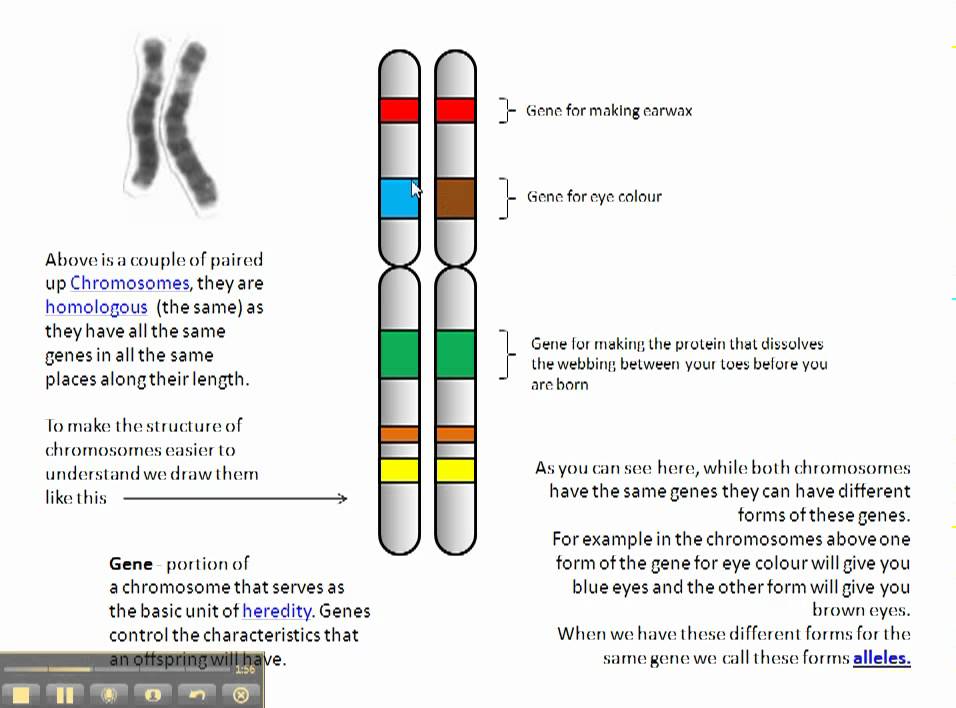
Chromosomes Genes And Alleles Chromosome Biology Worksheet Genetics Lesson

Pin On Microbiology Notes
Dna Up Close And Personal Teaching Biology Biochemistry Biology Classroom

Pin On Dna Project

Difference Between Dna And Rna Comparison Summary Study Biology Biology Notes Science Biology

Rna Google Search Protein Synthesis College Notes Characteristics Of Living Things

4 40 Dna Replication Dna Replication Dna Molecule Dna Polymerase

Tj Forensic Dna Profiling Also Called Dna Testing Or Dna Typing Is A Technique Employed By Forensic Scientists To Identify Individuals By Characterist Pejzazhi

Dna Structure Dna Model Dna Project Dna Model Project

Jst Press Release Novel Artificial Genomic Dna Can Replicate And Evolve Outside The Cell

What Is The Difference Between Seed And Grain Pediaa Com Writing Words Medical Knowledge Student Tools

Discover Your Roots Through Dna Testing In 2021 Energy Medicine Dna Subconscious Mind Power

Types Of Rna Molecular Biology Central Dogma Protein Synthesis

Eggtohst Biology Notes Chromosomes And Dna Structure Discovery Study Notes Biology Notes School Notes

Dna Chromosomes And Cells Chromosome Gene Expression Dna Activities

4 34 Nucleus Dna And Chromatin Structure And Genes Cell Division Dna Molecule Chromosome

Genes And Alleles Genetics Chromosome Human Genome

Pin By Epigentek On Nature And Science Biology Classroom Teaching Biology Science Biology

Image Result For Biology Geek Facts Teaching Biology Science Biology Biology Classroom


Comments
Post a Comment